Meta’s AI Ad Blitz Risks Model Collapse: What Marketers Need to Know

Written by Elias Oender
September 16, 2026 5 min read
The quick answer
Meta’s AI-driven ad tools are flooding the web with synthetic content, increasing the risk of model collapse, a scenario where AI systems degrade due to feeding on their own outputs. Performance marketers need to diversify creative inputs, validate incrementality, and avoid over-reliance on automated tools. While Meta’s tools can scale campaigns, they risk homogenizing ad quality and eroding long-term performance.
What is model collapse, and why does it matter for marketers?
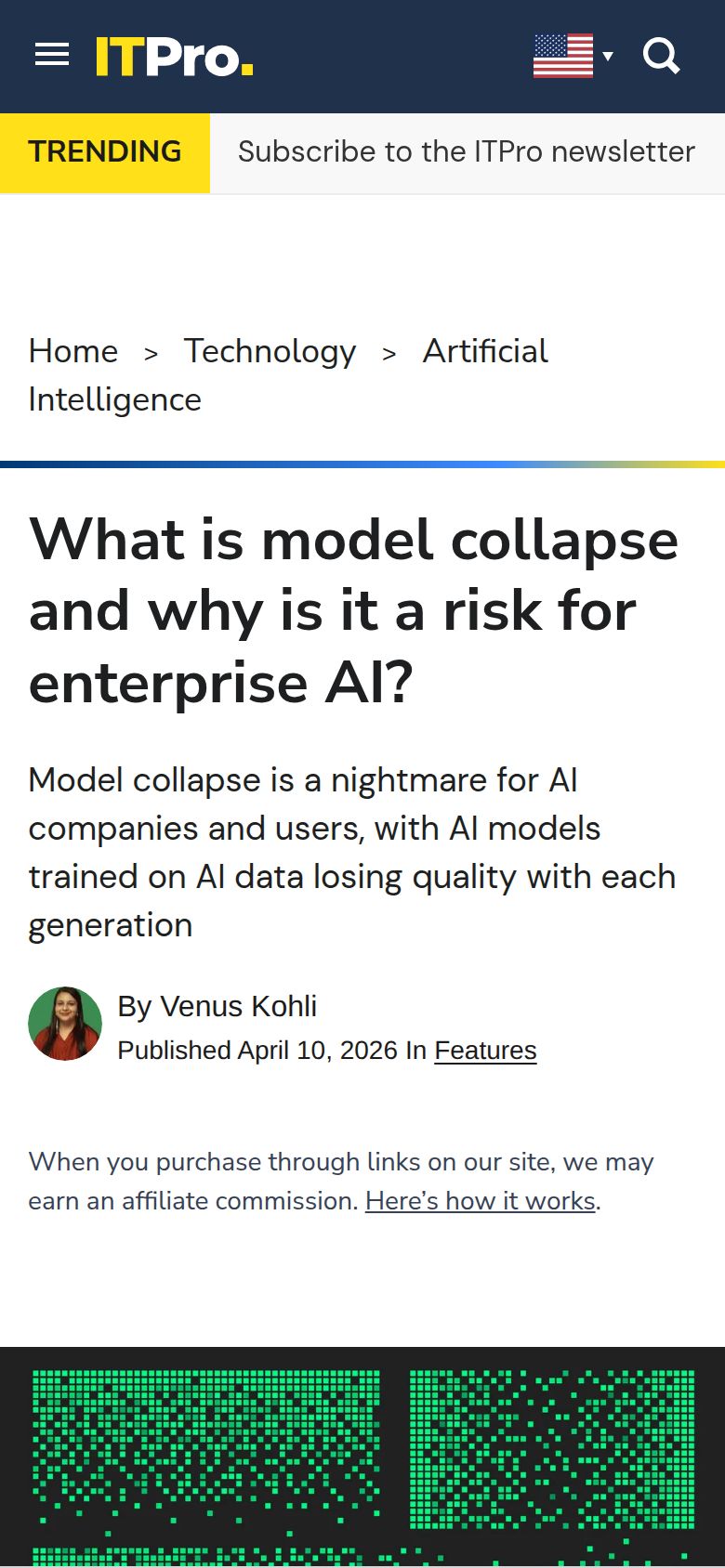
Model collapse is a phenomenon where AI systems degrade because they increasingly train on their own synthetic outputs. As Meta’s AI-driven ad tools flood the web with automated content, the risk of homogenized, low-quality creatives grows. As covered here, this can lead to ads becoming repetitive and less effective over time. For marketers relying on Meta ads to scale, this is a critical issue that threatens long-term campaign performance.
Imagine a scenario where Meta’s AI generates ad copy based on previous successful campaigns. Initially, this works well, but over time, the system starts recycling the same phrases and concepts. The result is an echo chamber of ads that lack originality and fail to capture audience attention. This isn’t just theoretical. Studies show that synthetic data can dilute the effectiveness of AI models, leading to poorer performance metrics like click-through rates and conversions.
Is Meta’s AI ad blitz a double-edged sword?
Meta’s AI tools promise efficiency and scalability, but they come with significant risks. The platform’s reliance on synthetic content increases the likelihood of model collapse, as noted in this analysis. While these tools can optimize ad delivery in the short term, they risk eroding creative diversity and ad quality over time. Marketers must balance automation with human oversight to avoid falling into this trap.
For instance, one account noticed a decline in engagement after using Meta’s automated ad creation tool extensively. The ads generated were technically optimized but lacked the emotional resonance that human-crafted creatives often achieve. This underscores the importance of maintaining a hybrid approach, where AI assists but doesn’t replace human creativity.
How can performance marketers protect their campaigns?
To mitigate the risk of model collapse, marketers should diversify their creative inputs and avoid over-reliance on automated tools. Incorporating human-driven insights, testing new ad formats, and validating incrementality are key steps. Learn more about why incrementality testing matters. Additionally, running a free scan to identify potential leaks in your strategy can help ensure your campaigns remain effective.
Practical steps include rotating ad creatives more frequently, using diverse data sources, and conducting A/B tests to gauge the effectiveness of AI-generated vs. human-generated content. For example, one client found that manually tweaking AI-generated ad copy improved engagement rates by over 20%. This highlights the value of human intervention in refining automated outputs.
What’s the real cost of over-reliance on Meta’s AI tools?
Over-reliance on Meta’s AI-driven tools can lead to homogenized ads that fail to resonate with audiences. One report highlights how these tools can create new risks for marketers, including declining engagement and ROI. Marketers must recognize that while automation can scale campaigns, it cannot replace the creativity and nuance that human input provides.
The financial impact can be significant. One analysis found that campaigns relying solely on AI-generated creatives saw a gradual decline in ROI, dropping by as much as 15% over six months. This decline wasn’t immediately noticeable, making it a silent but costly issue. Marketers need to monitor performance metrics closely and be willing to pivot strategies when necessary.
What’s next for marketers in the age of AI-driven ads?
The future of advertising lies in balancing AI’s efficiency with human creativity. Marketers should embrace tools like Meta’s AI ad blitz but remain vigilant about their limitations. Diversifying platforms, testing incrementality, and staying ahead of trends like model collapse are essential. Book a call to discuss how we can help you navigate these challenges and maintain a competitive edge.
One emerging trend is the use of multi-platform strategies to reduce dependency on any single AI system. By spreading ad spend across different platforms, marketers can mitigate the risks associated with model collapse. Additionally, incorporating real-time feedback loops can help refine AI outputs, ensuring they remain effective and relevant.
How can marketers stay agile in an AI-dominated landscape?
Staying agile in an AI-dominated landscape requires a proactive approach. Marketers should continuously educate themselves on the latest advancements and pitfalls of AI technology. Collaborating with AI experts and staying informed about industry trends can provide valuable insights. Additionally, fostering a culture of experimentation within marketing teams can help identify innovative solutions to emerging challenges.
For example, one successful strategy involves periodically auditing AI-generated content to ensure it aligns with brand values and audience preferences. This not only maintains ad quality but also provides valuable data points for future campaigns. By staying adaptable and informed, marketers can leverage AI’s strengths while minimizing its risks.
Why should marketers care about the ethics of AI in advertising?
The ethical implications of AI in advertising are becoming increasingly important. Issues like data privacy, algorithmic bias, and transparency are critical considerations. Marketers must ensure that their use of AI aligns with ethical standards and respects consumer trust. This includes being transparent about how data is used and ensuring that AI-generated content is fair and inclusive.
For instance, one campaign faced backlash due to algorithmic bias in ad targeting, which inadvertently excluded certain demographic groups. Addressing these issues proactively can prevent reputational damage and build stronger connections with audiences. Ethical AI practices not only protect brands but also contribute to a more equitable advertising ecosystem.
One account uses a ROAS-split budget allocation model with a floor per test branch, ensuring automated tools like Meta’s AI don’t dominate ad spend. By reserving a minimum budget for human-crafted creatives, we maintain diversity and guard against homogenized outputs. Cross-session conversions are logged meticulously to track long-term performance, preventing over-reliance on short-term metrics that AI tools often optimize for. This setup balances efficiency with ethical and creative safeguards.