Full-Funnel Clarity for Löffelgeist, the Berlin Spice Brand

Written by Elias Oender
Audit & AI reporting 4 min read xn--lffelgeist-ecb.de ↗
The short version
Löffelgeist, a Berlin spice brand with its own online shop, gets full-funnel clarity from Unfair Advantage Marketing: one performance audit across Meta, Google Ads, GA4, Search Console and the shop funnel that named the next wins, and customer analytics that show who buys again and which products carry the shop. Reports land on their own every day, week and month, so no opportunity goes unseen.
What Does Full-Funnel Clarity Mean for Löffelgeist?
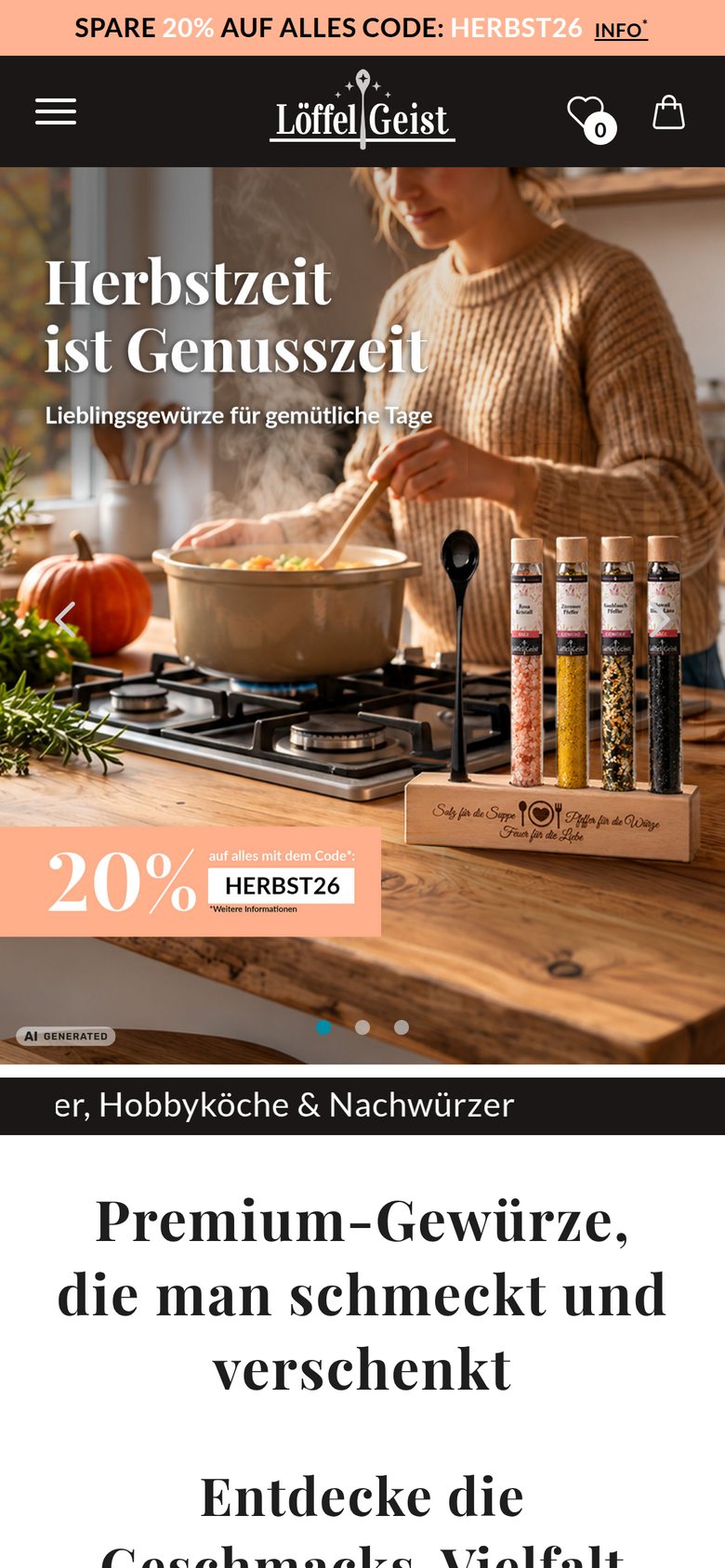
Full-funnel clarity means Löffelgeist sees in one place which channels earn, which products sell, which customers come back and where the next wins are waiting. Löffelgeist is a Berlin spice brand that sells through its own online shop, with a product people reach for again and again in their kitchen. For Löffelgeist, we ran one performance audit across Meta, Google Ads, GA4, Search Console and the shop funnel, then added customer analytics and reports that land on their own every day, week and month. The result is a brand that can put its money behind the channels, products and customers that carry the shop, and spot the next opportunity while it is still fresh.
Why Start With One Audit Across Every Channel?
One audit across every channel shows what no single platform report can: how the channels work together and where the next euro earns the most. Meta, Google Ads and GA4 each tell their own version of the story, and Google and Meta optimise for their own revenue, so a brand needs one independent view that lines them up against the orders in the shop. For Löffelgeist, the audit followed the customer from the first search and the first ad through the shop funnel to the order, and named the next wins along the way. A short list of concrete next moves tells the team exactly where the return is waiting, channel by channel.
Why Does Knowing Who Buys Again Matter?
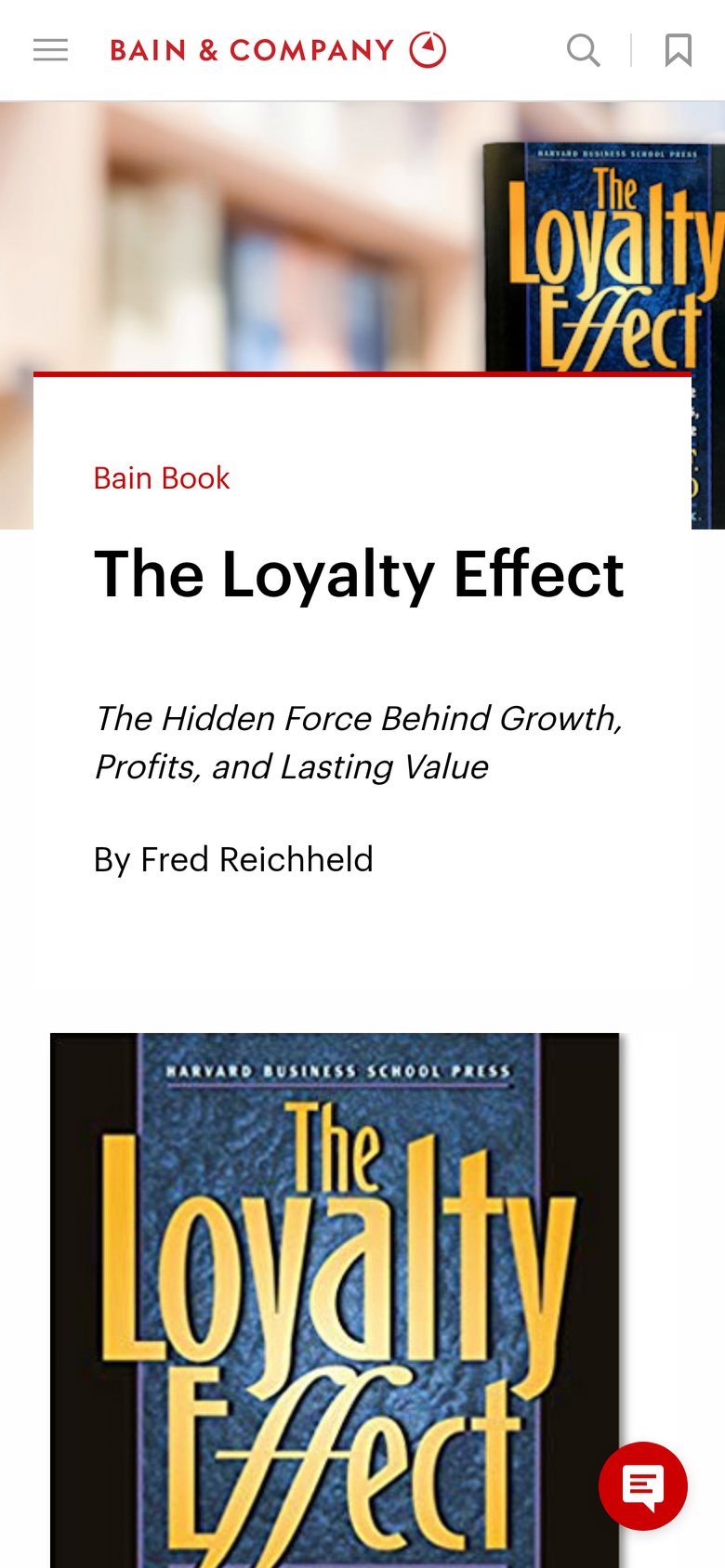
Knowing who buys again matters because repeat customers are the most profitable revenue a shop has: the first order already paid for the acquisition. Bain’s research on loyalty goes as far as saying that even a small improvement in customer retention can double a company’s profits. For Löffelgeist, customer analytics break the repeat purchase rate down by gender and age, so the brand sees exactly which customers return and can aim its campaigns at more people like them. Spices run out, and a brand that knows its loyal buyers turns every refill into revenue it can plan for and grow.
Which Products Carry the Shop?
A small group of bestsellers usually carries most of a shop’s revenue, and Löffelgeist knows exactly which ones they are. The Pareto principle is the old business adage that a few causes drive most of the results, and in a shop it shows up as a handful of products doing the heavy lifting. For Löffelgeist, a top and flop analysis shows which products pull revenue and which only take up space in the range, so the advertising backs the winners and the range gets sharper. Every euro behind a proven bestseller works harder than a euro spread evenly across the whole catalogue.
What Does Search Console Show That Ad Data Cannot?
Search Console shows the demand a shop earns for free: the searches that bring people to the site without a paid click. Google’s Performance report lists which queries bring traffic, along with clicks, impressions, click-through rate and average position. For Löffelgeist, analysers for Search Console, Google Ads, Meta and TikTok keep every source of demand in view, paid and organic alike. Seeing both keeps the budget from paying for clicks a strong organic ranking already wins, and points it at the demand that still needs a push. At Unfair Advantage Marketing, we read paid and organic as one picture, because the customer never splits them.
Why Do Reports That Run Themselves Keep the Wins Coming?
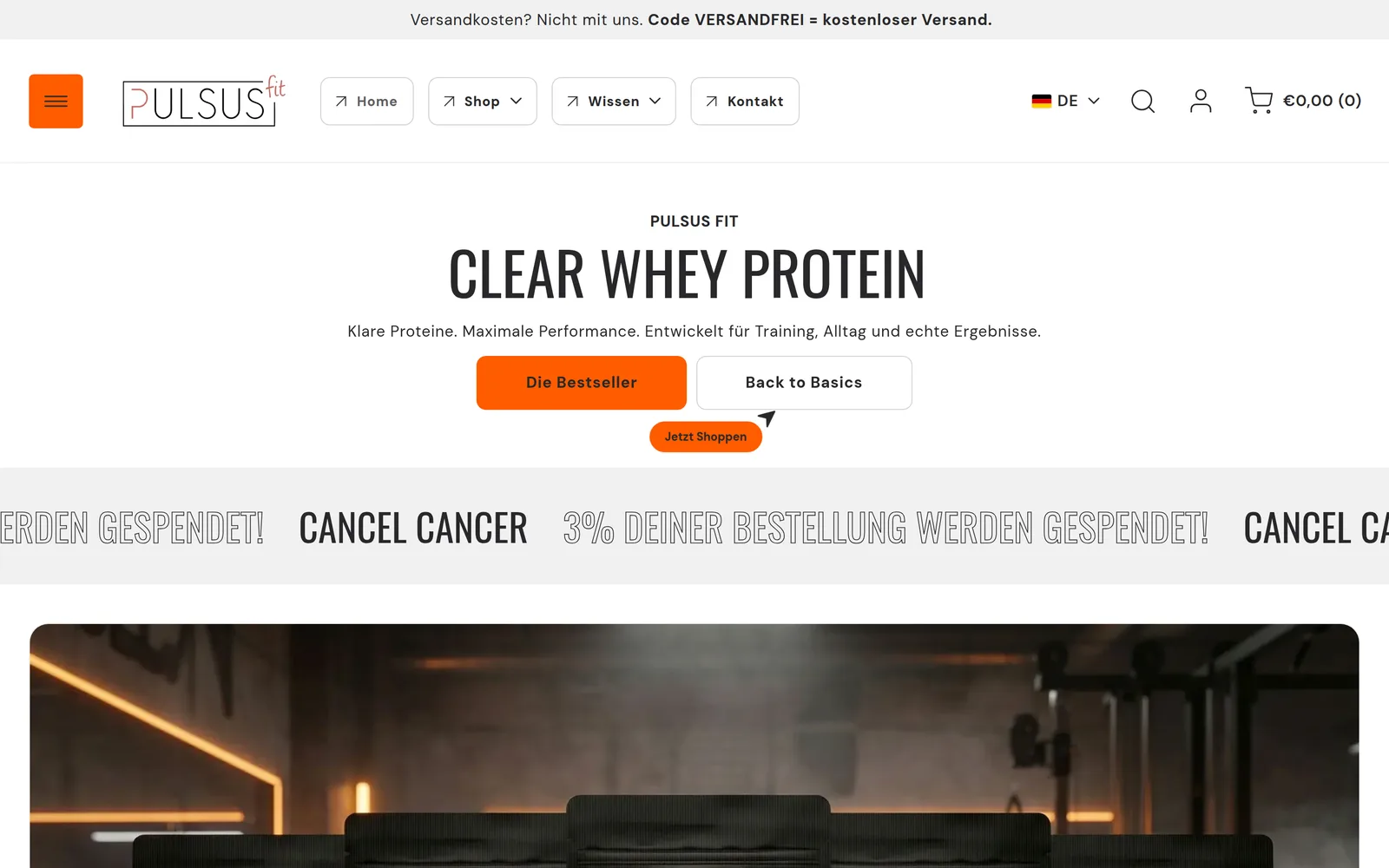
Reports that run themselves keep the wins coming because they catch every change while it is still small. For Löffelgeist, automated reports land every day, week and month, so a dip in a channel, a product that slows down or a new opportunity in search shows up before it costs money or goes unseen. A shop like this drifts within weeks when nobody reads the data: a creative tires, a keyword gets pricier, a bestseller runs low. With the reports in place, the clarity from the audit stays fresh, the same way it does for the protein brand in our Pulsus-Fit case, and every next win gets spotted while it is worth the most.
Get the same clarity for your own shop by running a free scan.