TheVentury: Growth Marketing That Brought Traction and New Business

Written by Elias Oender
Growth marketing 4 min read theventury.com ↗
The short version
TheVentury, a Vienna innovation company and venture builder, gained a growth marketing partner that paid off in both directions: growth marketing for its client akenza, an IoT platform, delivered through TheVentury, and new business brought to TheVentury's own innovation workshops. Growth went exactly where a venture needs it, at the next milestone.
What Did TheVentury Gain From a Growth Marketing Partner?
TheVentury gained a growth marketing partner that paid off in both directions: growth for its client akenza, and new business for its own innovation workshops. The Vienna innovation company builds and grows ventures, and every venture it touches needs traction early. For TheVentury, we delivered growth marketing for the IoT platform akenza through TheVentury, so the client received specialist growth work and TheVentury kept the relationship. In the other direction, we brought a new client into TheVentury’s innovation workshops. Both sides of the business grew from one partnership. That is how an innovation company widens its offer at speed: it plugs in a specialist where a client needs one, and lets good work travel both ways.
What Is a Venture Builder, and Why Does Growth Have to Start Early?
A venture builder creates and scales new companies, and growth has to start early because each venture must prove demand before the next funding or partnership decision. The model works much like a startup studio, which builds several companies in succession from its own ideas. That rhythm leaves no room for slow marketing. A venture that wins its first paying customers early earns the right to its next milestone, and one that waits for a perfect launch spends the time it has. Growth marketing gives a young venture its first evidence: which message lands, which buyer responds, which channel pays back. For a venture builder, that evidence is the strongest argument it can bring to a client or a board.
How Does Growth Marketing Work for an IoT Platform?
Growth marketing works for an IoT platform when it turns a technical product into a business outcome a buyer can picture. The Internet of things connects physical objects through sensors and software that exchange data over networks, and an IoT platform makes that data useful to a business. The buyer is rarely one person: an engineer judges the technology, a manager judges the return. Growth marketing speaks to both and finds out, by experiment, which use case and which promise move a prospect toward a first conversation. For akenza, we brought that discipline as TheVentury’s growth partner, so the platform’s value reached the people who decide on it. Each insight sharpened the next step, and each step built traction.
Why Does Growth Marketing Through a Venture Builder Pay Off?
Growth marketing through a venture builder pays off because the client gains specialist growth work while the venture builder keeps the relationship and widens its offer. TheVentury brought growth marketing to akenza as part of its own service, with a partner who plugged straight into the project. The client kept working with one company it already knew. TheVentury added a capability that makes its offer more complete, with the depth of a specialist and the flexibility of a partner. For innovation companies and agencies, this is the fastest route to a fuller offer: a bench of specialists that delivers in the agency’s rhythm and raises the value of every client relationship. Each project delivered this way makes the next conversation with that client easier.
How Did the Partnership Bring New Business to TheVentury’s Workshops?
The partnership brought new business to TheVentury’s workshops because good partners send work both ways: we introduced a new client to TheVentury’s innovation workshops. Innovation workshops are where a company explores new products, markets and models with outside expertise, and a warm introduction from a trusted partner shortens the path to a booking. For TheVentury, that meant new workshop business that arrived with trust already in place. For us, it meant a partner whose work we could recommend without hesitation. Referral business of this kind is among the most efficient growth an innovation company can win, because the trust is transferred before the first meeting. It is also the clearest sign that a partnership creates value for everyone in it.
What Should Founders and Venture Builders Take From TheVentury?
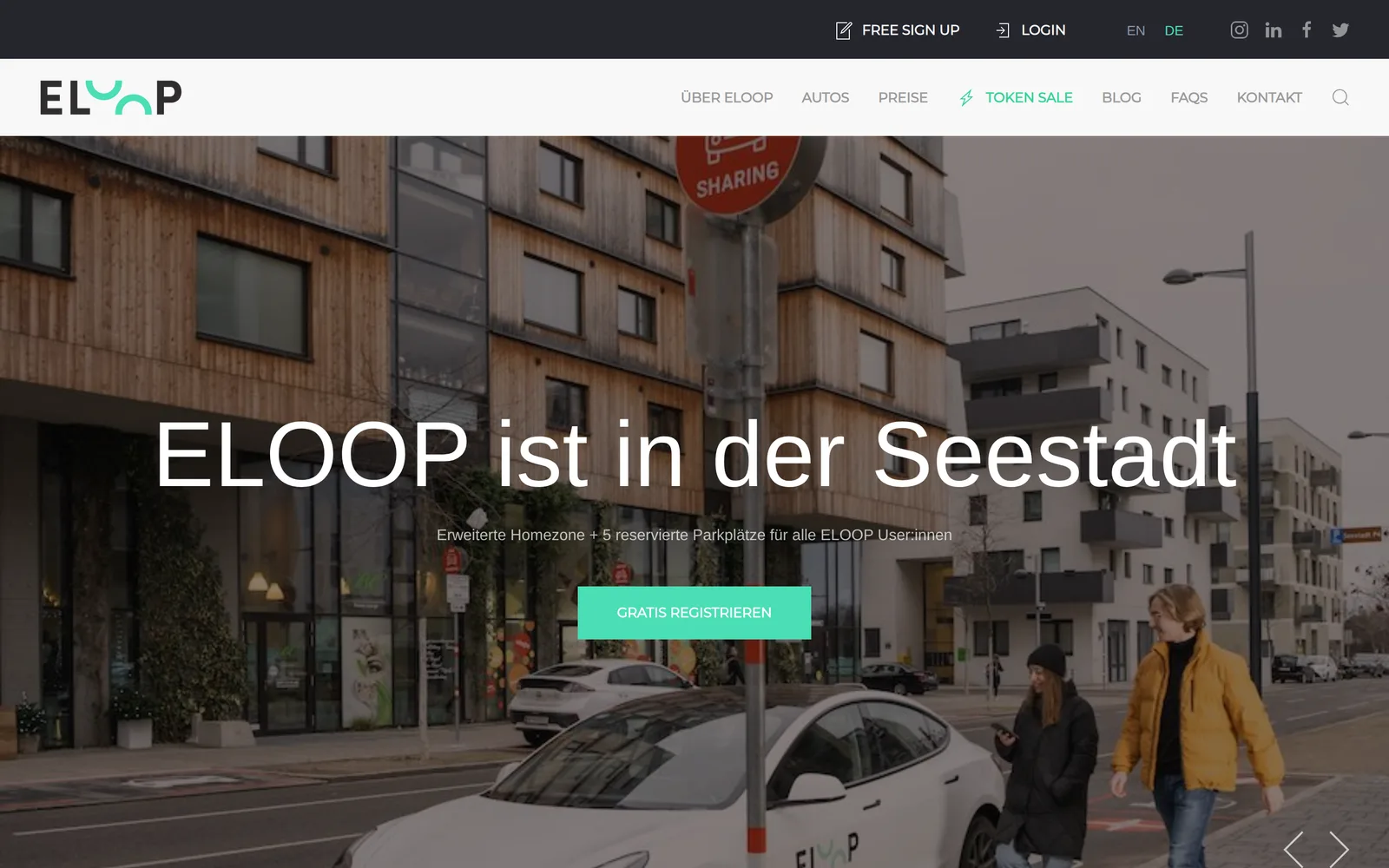
Founders and venture builders can take one rule from TheVentury: put growth exactly where the next milestone sits, and choose partners who add value on more than one side. A venture needs evidence of demand early, so growth work belongs in the plan from the start. The growth hacking tradition says the same: experiment across channels, keep what works and drop the rest before it eats the budget. At Unfair Advantage Marketing, we know that rhythm from the inside, as the ELOOP case shows. Today we run the same discipline with AI agents that test and steer live, and the principle is the one that made the work for TheVentury pay: traction first, everything else follows.
Find the point where your venture’s next growth step pays off most by booking a call.