The AI Content Backlash is Real: How to Use AI Without Producing Slop

Written by Elias Oender
April 30, 2026 3 min read
The quick answer
The AI content backlash is real, with consumers demanding craft and cultural fluency over generic AI-generated output. Google now penalizes scaled low-value content, regardless of who wrote it. To avoid producing slop, treat AI as a collaborator, not a creator, and focus on adding unique value and human insight. AI should enhance your work, not replace it.
Why is there an AI content backlash?
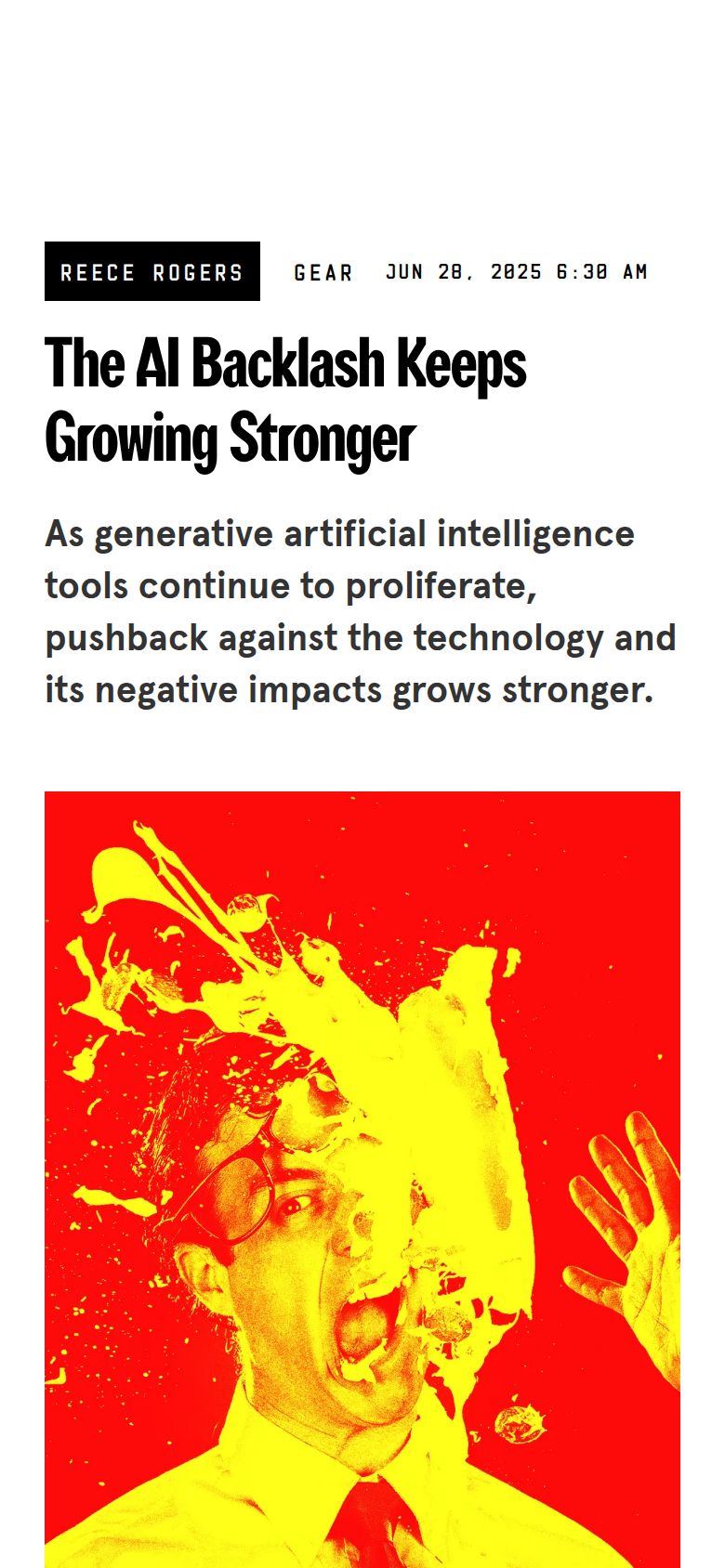
In 2026, the backlash against AI-generated content is undeniable. Consumers are fatigued by generic, impersonal content that floods their feeds, as covered here. They crave authenticity, craft, and cultural fluency, qualities that AI, when used carelessly, often lacks. Google’s recent algorithm updates reflect this shift, penalizing scaled low-value content regardless of its origin. The message is clear: quality matters more than ever.
How is Google penalizing AI-generated content?
Google’s June 2026 updates marked a turning point in how AI content is treated. The search giant now prioritizes high-quality, original, and useful content above all else. Whether written by humans or AI, content that fails to meet these standards is demoted. This includes SEO-optimized fluff, repetitive product descriptions, and generic blog posts. The penalty applies equally, emphasizing that AI is no shortcut to success.
What does AI slop look like?
AI slop is content that feels robotic, repetitive, and devoid of insight. It’s the 10th blog post on the same topic, regurgitating the same points with no fresh perspective. It’s product descriptions that list features without context or storytelling. It’s emails that feel like they were written by a machine, because they were. Slop is easy to spot and even easier to ignore.
How can you use AI responsibly in content creation?
The key is to treat AI as a collaborator, not a creator. Use it to brainstorm, draft, and optimize, but never outsource the heart of your work. Here’s how to avoid slop:
- Add human insight: AI can generate ideas, but it’s your job to refine them. Add personal anecdotes, cultural references, and unique perspectives.
- Focus on value: Ask yourself, “Does this content solve a problem or entertain the reader?” If not, it’s probably slop.
- Edit rigorously: AI output often needs polishing. Edit for tone, clarity, and coherence to make it feel human.
- Be culturally fluent: AI struggles with nuance and context. Ensure your content resonates with your audience by understanding their culture and values.
What tools can help you avoid AI slop?
While AI tools like GPT-5.5 and Gemini 3.5 Pro are powerful, they’re only as good as how you use them. Tools like Ask Advisor and Meta’s AI connectors can streamline workflows, but they can’t replace human creativity. The best approach is to combine AI’s efficiency with your expertise.
Is AI the future of content creation?
Yes, but not in the way many think. AI isn’t here to replace creators; it’s here to empower them. The future belongs to those who use AI to enhance their craft, not outsource it. As the backlash shows, one report highlights how consumers reward authenticity and originality, qualities that only humans can truly deliver.
Ready to improve your marketing?
Avoiding AI slop is just one part of a successful marketing strategy. Run a free scan to see where you can optimize your campaigns or book a call to discuss how AI can enhance your marketing efforts. For more insights, check out our guides on the best AI marketing tools of 2026 and what AI marketing actually changes.
Remember, AI is a tool, not a magic wand. Use it wisely, and your content will stand out in a sea of slop.