First-Party vs Third-Party Data: Why Owning Your Data Matters

Written by Elias Oender
March 27, 2026 7 min read
The quick answer
First-party data is information collected directly from your audience, third-party data is purchased from external sources, and zero-party data is willingly shared by users. Owning first-party data ensures compliance, accuracy, and better ROI. Start building your foundation by auditing existing data, implementing tracking tools, and prioritizing user trust.
What Is First-Party Data?
First-party data is information collected directly from your audience through interactions with your website, app, or other owned channels. This includes data like email addresses, purchase history, and browsing behavior. It’s the most reliable and compliant source of data because you own it and ensure its accuracy. Unlike third-party data, which is often aggregated and sold, first-party data is specific to your audience and provides actionable insights. For example, if you run an e-commerce site, first-party data helps you understand customer preferences and optimize marketing efforts. Learn more about how this ties into broader strategies like marketing attribution.
What Is Third-Party Data?
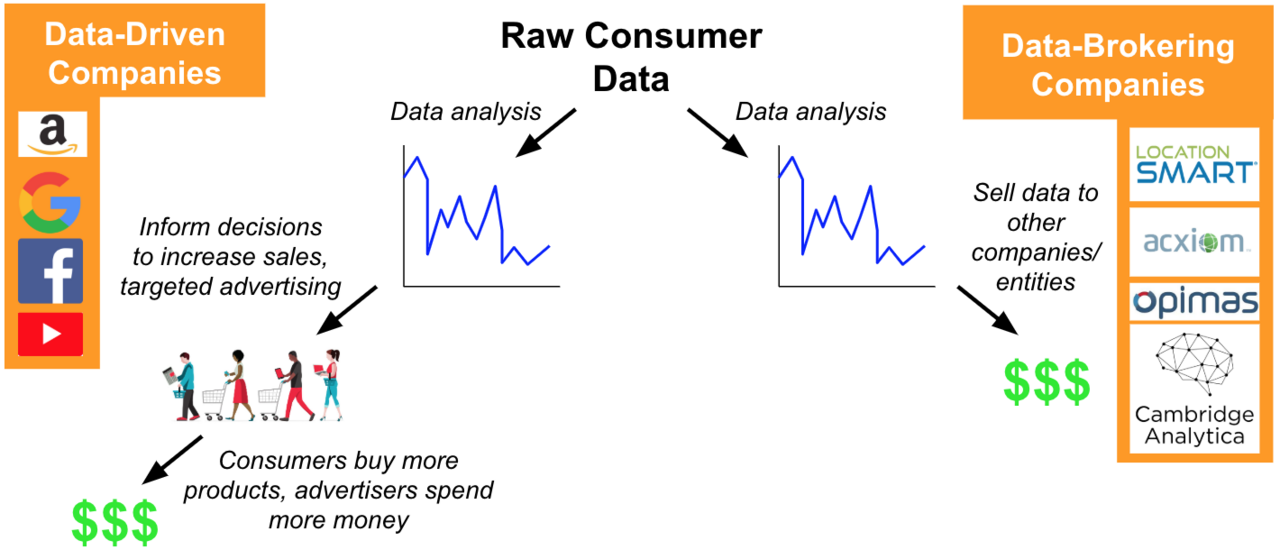
Third-party data is information collected by external sources and sold to businesses for marketing purposes. This data is often aggregated from multiple websites and apps, making it less specific and less reliable. While it can provide broader insights, its relevance is declining due to privacy regulations and browser restrictions. For instance, third-party cookies are being phased out, limiting access to this data. This shift emphasizes the importance of building your own data foundation. Want to see how this impacts your marketing ROI? Explore our insights on how to structure a marketing budget.
What Is Zero-Party Data?
Zero-party data is information willingly shared by users, such as preferences, interests, or feedback. Unlike first-party data, which is passively collected, zero-party data is actively provided. This makes it highly valuable for personalization and building trust. For example, a user might fill out a survey or opt-in to a loyalty program, sharing details about their preferences. Combining zero-party data with first-party data creates a powerful foundation for customer-centric strategies. Curious how this fits into performance marketing? Book a 15-minute call to discuss.
The Growing Importance of Privacy in Data Collection
With increasing awareness around data privacy, users are more cautious about how their information is collected and used. Regulations like GDPR and CCPA have set stringent guidelines, making it essential for businesses to adopt transparent and ethical data practices. Privacy-focused browsers and ad blockers further limit the availability of third-party data, pushing companies to rely more on first and zero-party data. This shift not only ensures compliance but also builds trust with your audience, leading to more meaningful and long-lasting customer relationships.
Why Does Owning Your Data Matter?
Owning your data ensures compliance with privacy regulations, improves accuracy, and enhances ROI. First-party data is not subject to the same restrictions as third-party data, making it more reliable for targeting and personalization. Additionally, it fosters trust with your audience, as they know their data is handled responsibly. In an era where privacy is paramount, owning your data is a competitive advantage. Want to assess your current data strategy? Use our free marketing scan to get started.
How Does First-Party Data Improve Marketing Performance?
First-party data allows for precise targeting, better personalization, and higher conversion rates. By understanding your audience’s behavior and preferences, you can create tailored campaigns that resonate. For example, email campaigns using first-party data have higher open and click-through rates. This data also supports incrementality testing, helping you measure the true impact of your efforts. Dive deeper into this topic with our guide on what is incrementality testing.
The Role of Technology in Leveraging First-Party Data
Advanced technologies like AI and machine learning play a crucial role in analyzing and leveraging first-party data. These tools help businesses uncover patterns and insights that might be missed manually. For instance, predictive analytics can forecast customer behavior, enabling proactive marketing strategies. Additionally, Customer Data Platforms (CDPs) centralize first-party data, making it easier to manage and utilize across various marketing channels. Embracing these technologies can significantly enhance the effectiveness of your data-driven marketing efforts.
What Are the First Steps to Build a First-Party Data Foundation?
Start by auditing your existing data to identify gaps and opportunities. Implement tracking tools like analytics platforms to collect first-party data systematically. Focus on creating trust-driven strategies, such as transparent privacy policies and value-driven incentives, to encourage users to share their data. For instance, offer exclusive discounts or content in exchange for user insights. Ready to take the next step? Explore our showcase for inspiration.
How Can You Ensure Compliance and Trust?
Compliance with privacy regulations like GDPR and CCPA is non-negotiable. Ensure your data collection practices are transparent and secure. Communicate clearly with your audience about how their data will be used and stored. Building trust is crucial for encouraging users to share their data willingly. A trustworthy brand not only complies with regulations but also fosters long-term loyalty. Want to optimize your marketing strategies while maintaining compliance? Check out our insights on what is a healthy CAC.
Real-World Examples of First-Party Data Success
Several companies have successfully leveraged first-party data to enhance their marketing efforts. For instance, a retail brand might use purchase history to recommend personalized products, increasing repeat purchases. Similarly, a media company could use browsing behavior to deliver relevant content, boosting engagement. These examples highlight the tangible benefits of investing in first-party data strategies. By focusing on direct customer interactions, businesses can create more meaningful and effective marketing campaigns.
The Evolution of Data Collection: From Cookies to Consent
As the digital landscape evolves, so do the methods of data collection. The era of third-party cookies is ending, replaced by more transparent and user-centric approaches. Consent-based data collection is becoming the norm, where users explicitly agree to share their information. This shift not only aligns with privacy regulations but also empowers users to control their data. Businesses must adapt by implementing cookie-alternative technologies like browser fingerprinting or server-side tracking while ensuring transparency. Understanding these changes is crucial for staying ahead in the data-driven marketing game.
Building Trust Through Transparency
Trust is the cornerstone of effective data collection. Users are more likely to share their information if they know how it will be used and that it will be protected. Transparency begins with clear communication. For example, provide easy-to-understand privacy policies and opt-in forms that explain the benefits of sharing data. Additionally, offer users control over their data, such as the ability to update preferences or delete their information. A transparent approach not only builds trust but also enhances the quality of the data collected, as users are more likely to provide accurate and relevant information.
Challenges in Transitioning to First-Party Data
While the benefits of first-party data are clear, transitioning from third-party data can be challenging. Many businesses rely on third-party data for broad audience insights and targeting, which first-party data may not fully replace initially. Companies must invest in tools and strategies to collect, organize, and analyze first-party data effectively. Additionally, educating teams on the importance of this shift and training them to use new technologies is essential. Despite these challenges, the long-term advantages of owning your data far outweigh the short-term hurdles.
How to Scale First-Party Data Collection
Scaling first-party data collection requires a combination of technology, strategy, and user engagement. Start by integrating data collection points across all customer touchpoints, such as websites, apps, and physical stores. Use incentives like loyalty programs or exclusive content to encourage users to share their data. Invest in tools like Customer Data Platforms (CDPs) to centralize and manage the data efficiently. As your data repository grows, continuously refine your strategies to ensure relevance and accuracy. Scaling first-party data collection is not just about quantity but also about maintaining quality and trust.
The Future of First-Party Data in Marketing
The future of marketing lies in the effective use of first-party data. As privacy regulations tighten and third-party data becomes less accessible, businesses that invest in first-party data will gain a competitive edge. The focus will shift from broad audience targeting to personalized, consent-based marketing strategies. Technologies like AI and machine learning will play a pivotal role in unlocking the full potential of first-party data. Companies that embrace these changes and prioritize transparency and trust will be well-positioned to thrive in the evolving marketing landscape.