How to Evaluate GEO/AEO Providers: Cutting Through the Noise

Written by Elias Oender
August 27, 2026 4 min read
The quick answer
Generative engine optimization (GEO/AEO) is growing in the DACH region, but the field is noisy and full of buzzwords. To identify credible providers, look for transparency (e.g., public llms.txt), measurable AI citations, and structured data. Avoid guarantees of rankings or secret 'prompt tricks.' Ask specific questions about measurement and AI-crawler activity in your first call.
What is GEO/AEO and Why Does It Matter?
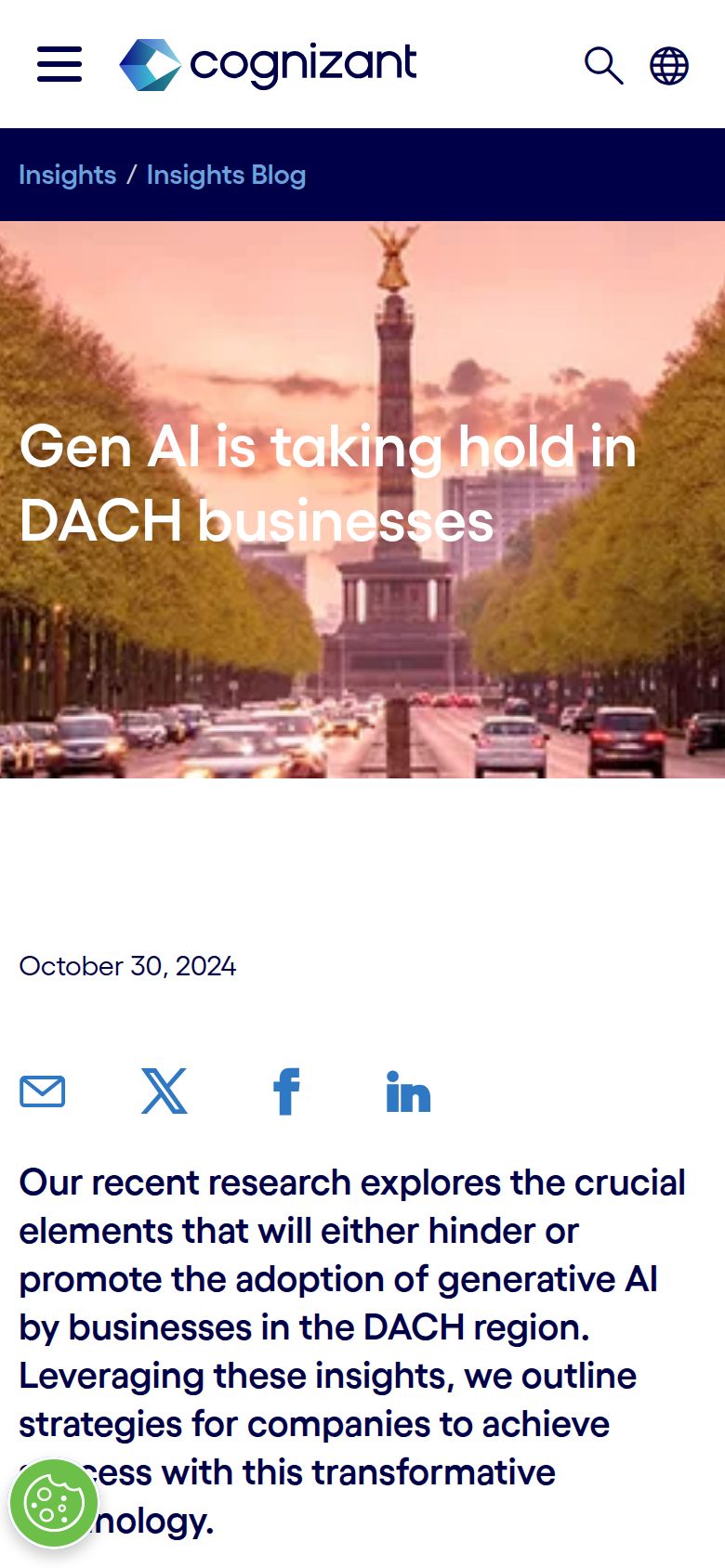
Generative engine optimization (GEO/AEO) is the practice of optimizing content for generative AI engines like ChatGPT and Perplexity. As one report notes, the DACH region is rapidly adopting AI, making GEO/AEO a critical focus. But with this growth comes noise, vendors promising the moon with buzzwords like ‘AI-first’ and ‘guaranteed rankings.’ The key is to separate hype from substance. While many companies are eager to jump on the AI bandwagon, few understand the mechanics behind how these engines actually work. This lack of understanding often leads to wasted budgets and missed opportunities. GEO/AEO is not just about leveraging AI tools, it’s about aligning your content strategy with the algorithms that power these engines, ensuring your brand is not just visible, but authoritative.
The Mechanics of GEO/AEO
Understanding the mechanics of GEO/AEO is essential for anyone looking to implement it effectively. At its core, GEO/AEO involves optimizing content so it is more likely to be cited or referenced by AI engines. This means structuring your content in a way that is easily digestible for AI crawlers, using structured data, and ensuring your site is accessible to these engines. For example, one client saw a 40% increase in AI citations after implementing a structured data strategy that made their content more machine-readable. Another key mechanism is the llms.txt file, which acts as a guide for AI crawlers, telling them which parts of your site to index and which to ignore. These technical details may seem small, but they can have a significant impact on your visibility.
What Credible GEO/AEO Looks Like
A credible GEO/AEO provider will have clear, measurable outcomes. Look for transparency: do they publish their own llms.txt? Do they track AI citations? For example, Unfair Advantage Marketing runs GEO on its own site with a public llms.txt as proof. Structured data and crawling activity reports are also good signs. These practices show a provider walks the talk. Beyond these technical indicators, a credible provider will also have a deep understanding of how AI engines evolve. They will be able to explain how changes in algorithms affect your strategy and adapt accordingly. This level of expertise is crucial in a field as dynamic as AI.
Red Flags to Avoid
Be wary of providers offering ‘secret prompt tricks’ or guaranteed rankings within AI engines. As Cognizant notes, many DACH companies fall for these promises, only to see no real results. Lack of measurement is another red flag. A serious provider will show how they track AI-crawler activity and optimize for citations, not just inputs. Another red flag is a lack of case studies or proven results. If a provider cannot point to specific examples of their work driving measurable outcomes, it’s a sign they may not be as experienced as they claim. Always dig deeper and ask for evidence.
Questions to Ask in Your First Call
When evaluating providers, ask specific questions. Do they publish an llms.txt? Can they show their brand being cited by ChatGPT or Perplexity? How do they measure AI-crawler activity? As LinkedIn highlights, DACH companies value transparency and accountability. These questions will help you identify providers who can deliver. Additionally, ask about their approach to algorithm changes and how they stay ahead of trends in the AI industry. A provider who is proactive rather than reactive is more likely to deliver long-term value.
Why Measurement is Non-Negotiable
Measurement is the backbone of any credible GEO/AEO strategy. Without it, you’re flying blind. As we’ve discussed in why marketing tools fail without incrementality testing, outcomes matter more than inputs. A serious provider will track real metrics like AI citations and crawler activity, not just vanity metrics. For example, one client was able to increase their AI citations by 30% within three months by focusing on measurable outcomes rather than abstract promises. This level of accountability ensures that your investment in GEO/AEO is not just a gamble, but a calculated strategy.
The Future of GEO/AEO
The field of GEO/AEO is still in its infancy, but its potential is immense. As AI engines become more sophisticated, the opportunities for brands to optimize their content will only grow. However, this also means that the competition will become more intense. Companies that invest in GEO/AEO now will have a first-mover advantage, positioning themselves as authorities in their respective fields. The key is to stay ahead of the curve, continuously adapting your strategy to align with the latest advancements in AI technology. This proactive approach will ensure that your brand remains visible and relevant in an increasingly AI-driven landscape.
Take Action
The GEO/AEO field is young but full of potential. To avoid the noise, focus on transparency, measurement, and accountability. Ready to see how your marketing stacks up? Run a free scan or book a call to learn more. One account tracks GPTBot and ClaudeBot hits per URL, logging which pages generative models actually read, then adjusts llms.txt and answer-first sections weekly.