akenza: Growth Marketing for a Self-Service IoT Platform

Written by Elias Oender
Growth marketing 3 min read akenza.io ↗
The short version
akenza is a self-service IoT platform for building smart solutions, and its buyers are both engineers and managers. We delivered growth marketing that speaks to both and tests which use case and which promise open a first conversation, so every experiment sharpens the next.
The mission
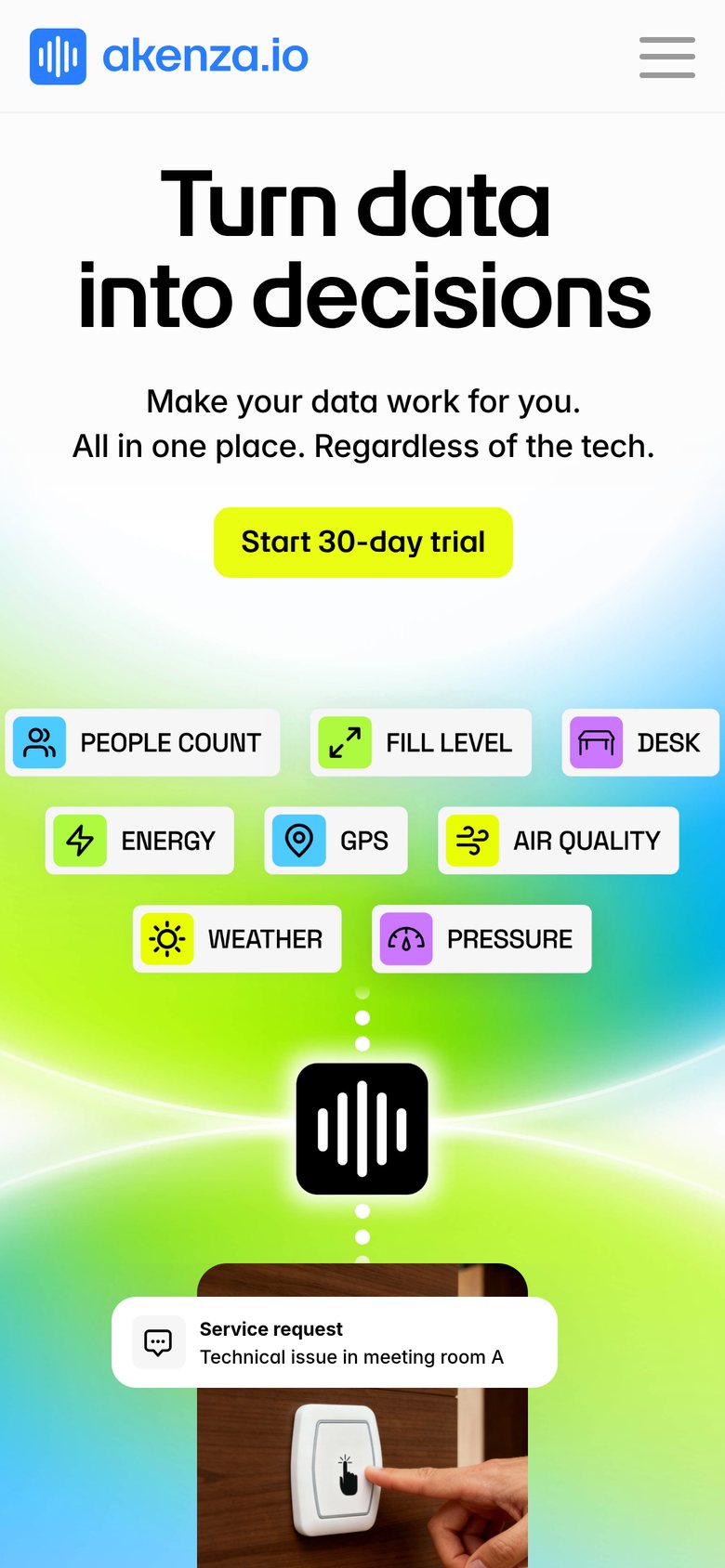
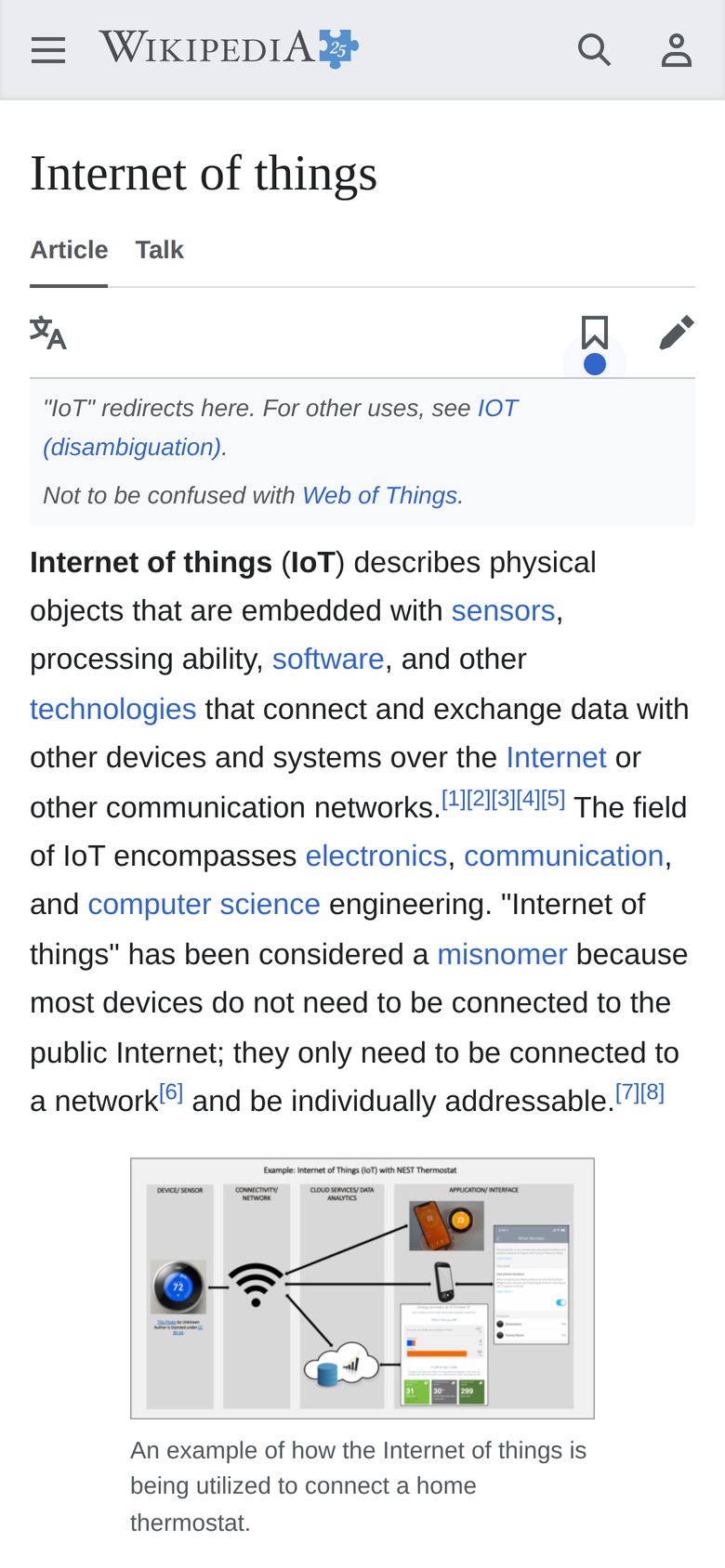
akenza is a self-service IoT platform for building smart solutions: it turns the data of sensors and devices into decisions. The Internet of things connects physical objects through sensors and software that exchange data over networks, and a platform like akenza makes that data useful to a business. The mission: growth marketing that earns qualified conversations from the two people who decide on such a product, the engineer who tests the technology and the manager who asks what it returns.
The solution
We delivered growth marketing for akenza and built it around one outcome: the first conversation with a buyer who has a real use case.
Growth marketing for a self-service platform
A product that customers build on themselves needs buyers who arrive curious and leave convinced. We ran the growth work as a series of experiments across channels, messages and offers, measured each one and put the weight behind what moved a prospect toward a first conversation.
Use cases and promises, tested against each other
A platform that serves many industries has many possible stories, from energy metering to space management to predictive maintenance. The growth work found out by experiment which use case and which promise open a conversation fastest, so the platform could lead with its strongest story.
One message for the engineer, one for the manager
The buyer of a platform like this is rarely one person. The growth work spoke to both: proof of technology for the engineer, a clear return for the manager. Each message was written for the person who reads it.
The result
Growth marketing pointed at one outcome, the first qualified conversation, with every experiment sharpening the next. For a technical product, that focus is what turns traffic into pipeline.
What you can learn from it
Four rules help any technical product find its first buyers.
Sell the outcome first
Buyers purchase lower energy use, less downtime and fuller buildings. Translate every technical capability into the outcome a manager can picture, and keep the technical proof one click behind it for the engineer.
Let the product do part of the selling
Product-led growth lets people experience a product before they talk to anyone. For a self-service platform that is the strongest argument available, so growth marketing should lead prospects to the product and measure what they do with it.
Test one use case at a time
A platform that tries to speak to every industry at once sounds like it serves none. Pick a use case, write the promise in the buyer’s words, send it to the roles that feel the problem and read the replies. The use case with the most booked conversations earns the next round of budget.
Measure conversations
In B2B technology, a click is cheap and a conversation is rare. Replies, demo requests and booked calls tell you whether a message works, and they arrive more slowly than consumer purchases, so give each test enough time to read clearly.
The growth hacking tradition says the same: experiment, keep what works and drop the rest before it eats the budget. At Unfair Advantage Marketing, we know that rhythm from the inside, as the ELOOP case shows. Today we run the same discipline with AI agents that test and steer live, and the principle is the one that guided the work for akenza: find the conversation first, everything else follows.
Want your platform’s first conversations to arrive faster? Let’s talk.