ROAS of up to 50: How SICK! by Fabio Wibmer Turned Fans Into Buyers

Written by Elias Oender
DTC performance 4 min read sick-series.com ↗
The short version
A ROAS of up to 50 is what Unfair Advantage Marketing drove for SICK!, the merch brand of Austrian mountain bike star Fabio Wibmer. Meta, Google Search, YouTube and Gmail ran as one orchestrated push behind every product drop, each release with its own creative. The budget stayed on the drop that was selling while the window was open.
How Did SICK! Reach a ROAS of up to 50?
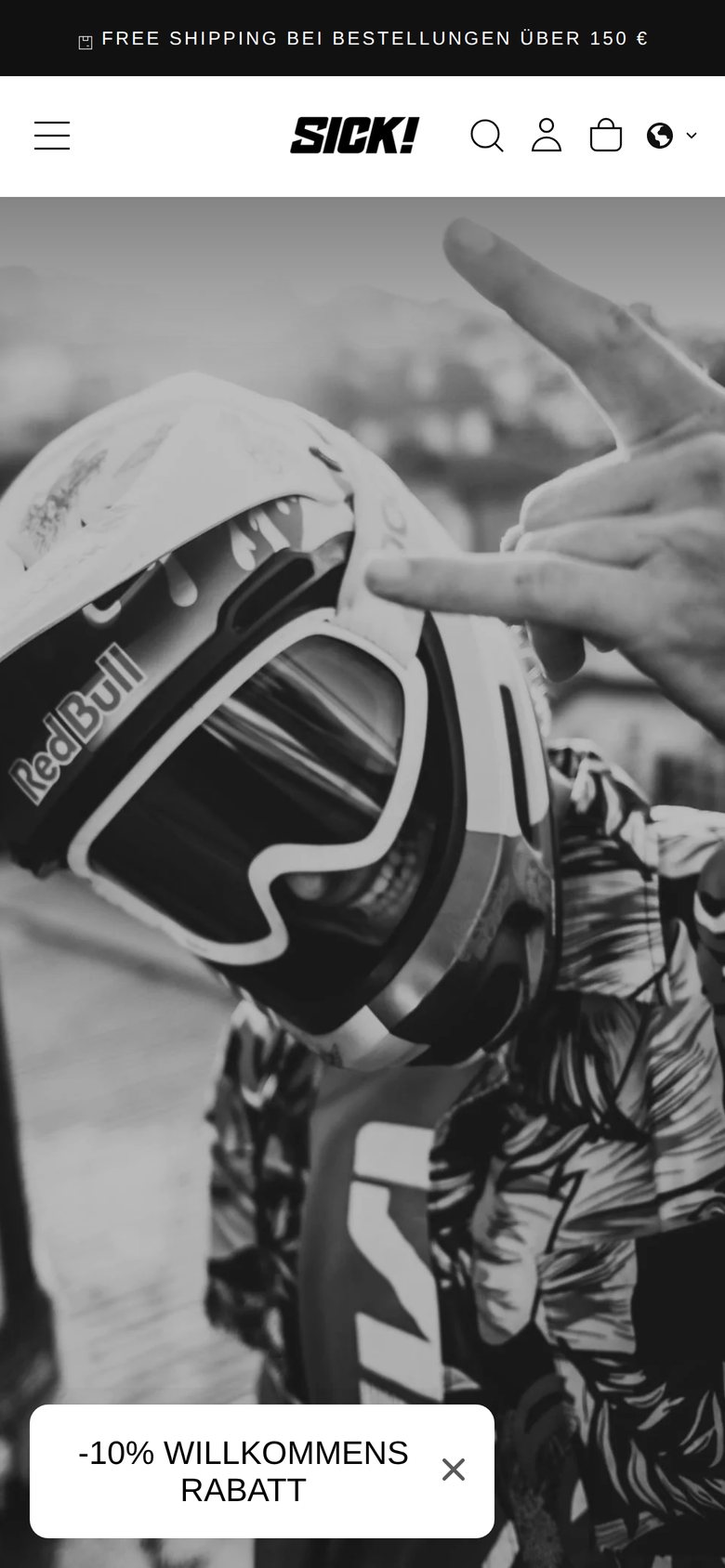
SICK! reached a ROAS of up to 50 because every campaign ran as one orchestrated push across Meta, Google Search, YouTube and Gmail, optimised on the highest level around each product drop. SICK! is the merch and apparel brand of Fabio Wibmer, the Austrian street trials and downhill rider who built a global following on YouTube, as his Wikipedia entry shows. The brand brings what no ad budget can buy: fans who wait for the next release. For SICK!, we turned that attention into orders at a return that changes the economics of every drop. A ROAS of up to 50 means the campaigns brought back up to 50 times their media cost in revenue, which makes paid media the brand’s best salesperson.
Why Does Every Product Drop Need Its Own Campaign?
Every product drop needs its own campaign because a drop packs demand into a few days, and the brand that owns those days takes the sale. Shopify’s guide to limited drops explains how scarcity and a short window create urgency, with teasers and countdowns building anticipation before launch day. For SICK!, that turned every release into a moment worth winning. The Christmas Drop, the Jersey and the Trading Cards each launched with their own push, timed to the days when fans were most ready to buy. A merch brand that plans its drops like events turns excitement into revenue at its peak, and that is where a creator brand earns its best returns.
How Do Meta, Google, YouTube and Gmail Work as One Campaign?
They work as one campaign when each platform plays its own part in the same launch, so the attention one creates is turned into an order by the next. For SICK!, Meta campaigns on Facebook and Instagram put each drop in front of the fans most likely to buy, Google Search captured the riders who went looking for it, YouTube showed the products in motion, where a riding brand looks its best, and Gmail carried the drop into the inbox. Orchestrated this way, the platforms handed the same buyer from one touchpoint to the next until the order landed. Every channel was judged by the revenue it added, so the budget always knew which platform deserved the next euro.
What Makes a Drop Creative Sell?
A drop creative sells when it makes the release feel like an event the fans cannot miss. For SICK!, every drop got campaign creatives built around its own story, from the Urban line to Summer Riding and the Advent calendar, so the brand’s energy came through in every placement. Fresh creative for every launch kept the audience curious from one release to the next and gave the fans a new reason to buy each time. A TikTok Ads test added a real read on a new platform, so the brand could judge its next channel by data. The algorithms of Google and Meta can find a buyer, yet it takes a story the fans recognise to make them reach for their wallet.
How Did the Budget Stay on the Drop That Was Selling?
The budget stayed on the selling drop because a live dashboard showed which release was converting, and the money moved to it while the window was still open. As Google explains, return on ad spend measures the conversion value a campaign earns for every unit spent, which makes it the one number that tells a merch brand where the next euro belongs. For SICK!, reading that number during the drop, while fans were still buying, is how the campaigns climbed to a ROAS of up to 50. At Unfair Advantage Marketing, we now run the same discipline with AI agents that move the money live, the moment the data shows a winner.
What Can Other Creator Brands Learn From SICK!?
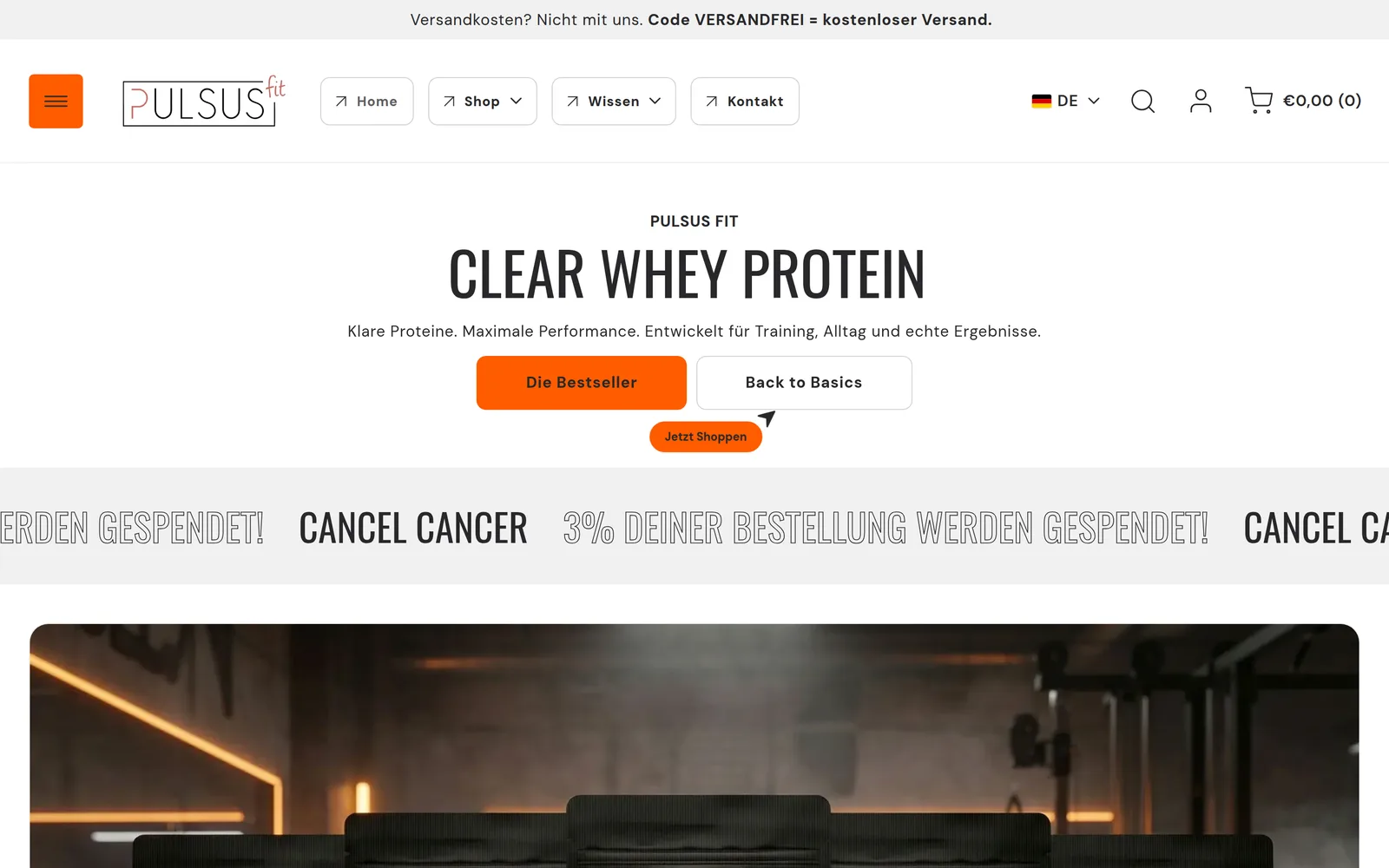
Other creator brands can learn that a loyal audience pays off fastest when the campaigns are as sharp as the content. Google and Meta optimise for their own revenue, so a brand that wants the return for itself needs its own read on which drop, platform and creative is earning. SICK! shows what happens when a strong brand gets that read: fans turn into buyers, drop after drop, at a return that funds the next release. We bring the same thinking to every direct-to-consumer brand we grow, from apparel to nutrition, as our Pulsus-Fit case shows. A brand with the audience already holds the hardest part, and the return is waiting in the campaigns.
Turn your next drop into your best one: book a call and see where your campaigns can earn more.