How to Use AI for Seasonal Marketing Campaigns Without Losing Your Shirt

Written by Elias Oender
June 16, 2026 2 min read
The quick answer
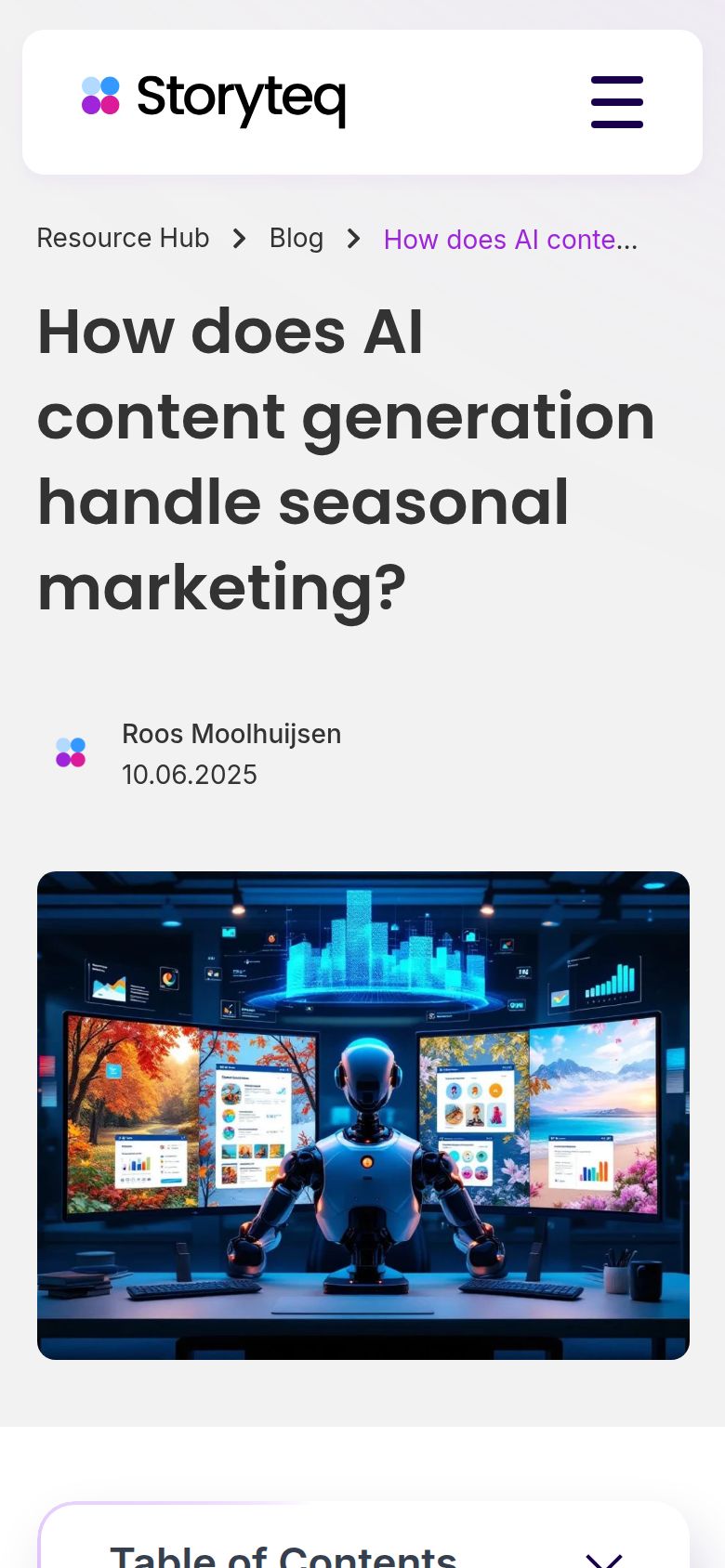
AI can transform seasonal marketing by predicting peak demand, optimizing budgets, and tailoring creatives in real-time. However, relying blindly on AI can lead to overextension or missed opportunities. This guide explores how to balance AI-driven insights with human judgment to maximize ROI during critical seasonal pushes.
Why Seasonal Campaigns Are Perfect for AI
Seasonal campaigns are unique beasts. They’re high-pressure, short-lived, and require precision timing. AI thrives in these conditions because it can process vast amounts of data, historical performance, weather trends, competitor activity, to predict when demand will peak, as covered here. But here’s the catch: AI is only as good as the data you feed it. If last year’s campaign was a fluke, AI might repeat the same mistakes. That’s why human intuition remains critical.
Predicting Peak Demand
One of AI’s strongest suits is identifying the optimal launch window for your campaign. For example, AI can analyze historical ROAS benchmarks and correlate them with external factors like holiday shopping trends or local events. However, don’t let AI run wild. Validate its predictions with real-world context, like sudden cultural shifts or unexpected competitor moves, one report suggests.
Budget Allocation Without Waste
Seasonal campaigns often involve aggressive spending, but AI can help you allocate budgets more intelligently. Tools like autonomous cross-channel budget shifting can reallocate funds in real-time based on performance. This ensures you’re not overspending on underperforming channels. Still, set guardrails. AI might shift too much budget too quickly, leaving other channels starved.
Creative Optimization in Real-Time
AI excels at A/B testing multiple creative variants simultaneously. It can identify which ad copy, imagery, or CTAs resonate most with your audience and adjust accordingly. This is particularly useful for seasonal campaigns, where consumer preferences can shift rapidly, an analysis found. But remember, AI doesn’t understand cultural nuances. A human touch is essential to ensure your creative stays relevant and respectful.
Balancing AI with Human Oversight
The biggest mistake marketers make is treating AI as a standalone solution. AI is a tool, not a replacement for human judgment. Use it to handle repetitive tasks and data analysis, but always supervise its decisions. For example, while AI can predict demand spikes, it might not foresee a sudden competitor promotion or a viral trend. Pair AI insights with your market knowledge to stay agile.
Practical Steps to Get Started
- Audit Your Data: Ensure your historical campaign data is clean and comprehensive. AI is only as good as the data it’s trained on.
- Set Clear Goals: Define what success looks like for your seasonal campaign, whether it’s ROAS, CPL, or brand awareness.
- Run a Free Scan: See where your marketing leaks and identify areas where AI can add the most value.
- Monitor and Adjust: Use AI for real-time optimization, but keep a human in the loop to validate decisions.
The Bottom Line
AI can revolutionize seasonal marketing campaigns, but it’s not a magic wand. It’s a powerful tool that requires careful handling. By combining AI’s analytical prowess with human intuition, you can maximize ROI without overextending. Ready to take your seasonal campaigns to the next level? Book a call to explore how AI can fit into your strategy.